Most golf stores are built to carry more. New releases, wider categories, constant additions. Over time, the shelf fills up, but clarity goes down.
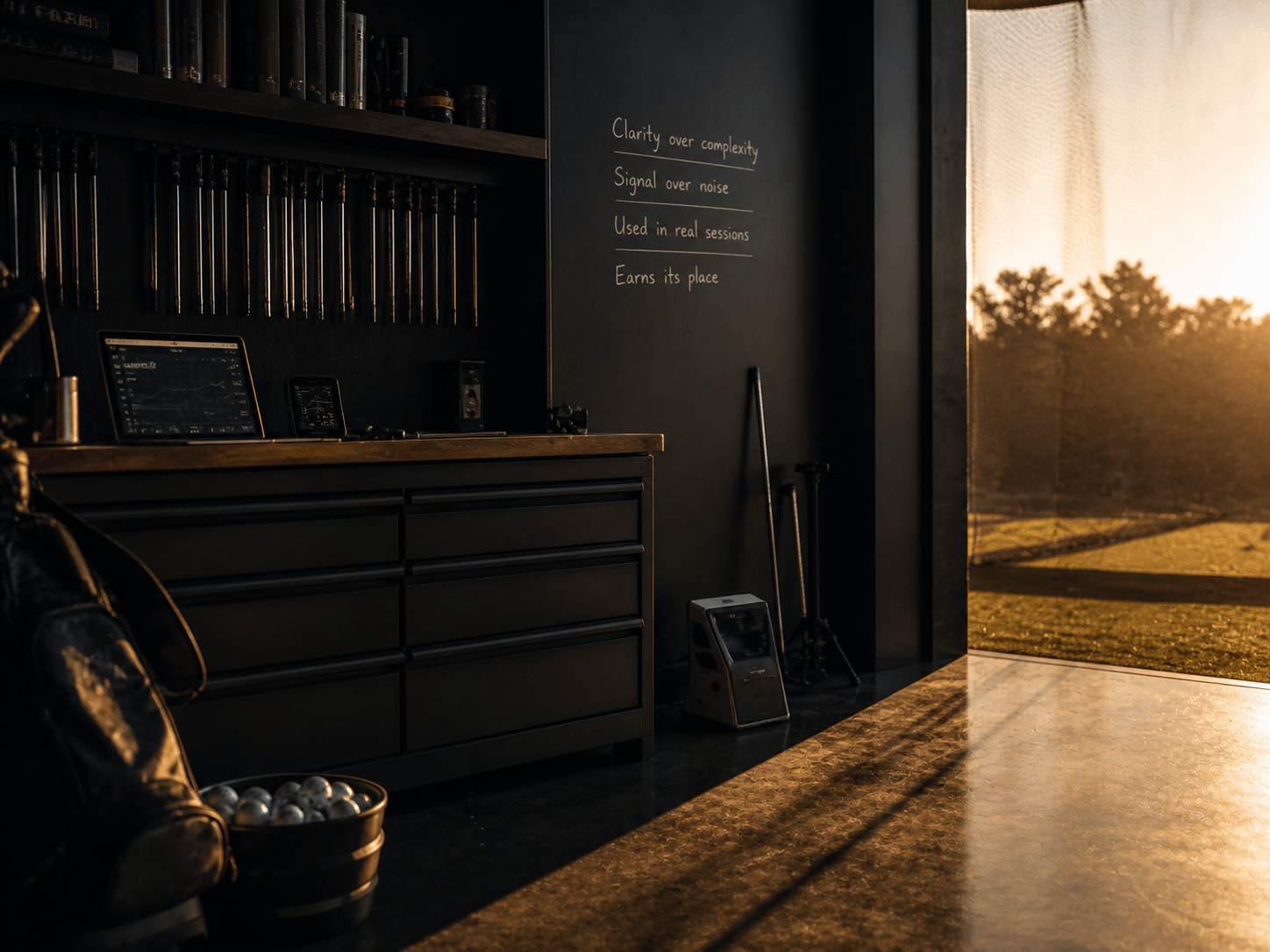
We built this differently. Not as a shop, but as a lab.
What a shop optimizes for
A traditional retail model rewards volume. More brands, more options, more reasons to keep someone browsing. The problem is that most tools overlap, and many never get used once they leave the box.
When everything is available, nothing is filtered. The burden shifts to the player to figure out what matters.
What a lab requires
A lab runs on constraint. Fewer tools, each with a defined job. If something does not get used in a real session, it does not stay.
Every addition has to replace something or solve a gap that actually shows up in practice. Otherwise it is just noise.
Used, not just stocked
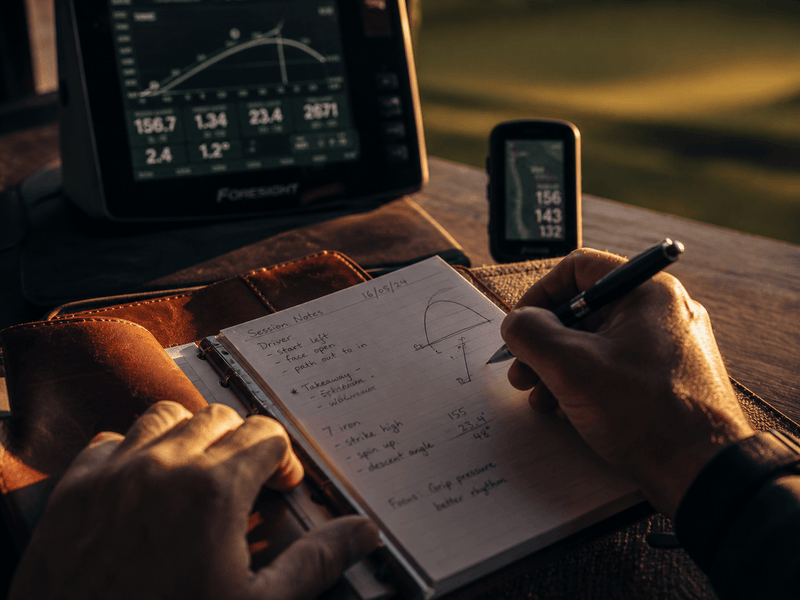
The difference shows up in how tools are handled. In a shop, products are displayed. In a lab, they are used, adjusted, and sometimes removed.
That cycle matters. It reveals what holds up over time and what quietly falls out of rotation.
Built around real sessions
Most practice is limited. Thirty to forty-five minutes, imperfect space, inconsistent ball striking. Tools have to work inside those constraints.
If something requires too much setup, too much interpretation, or too much consistency to start, it rarely lasts.
Why we keep it tight
A smaller set creates clearer decisions. It reduces overlap and makes it easier to build a practice environment that actually functions.
The goal is not to offer more. It is to make what is here more useful.
This is the lab. What stays is what gets used.